
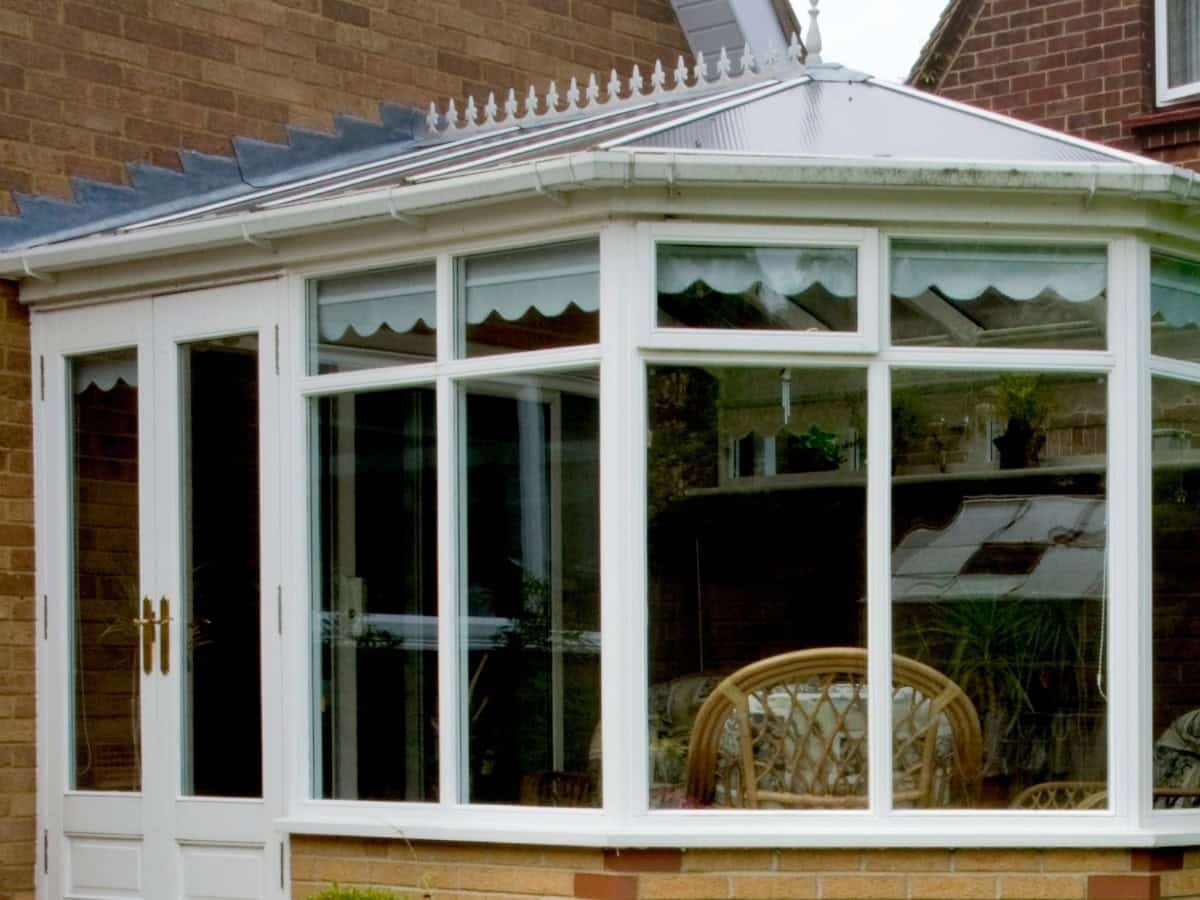
A conservatory can be one of the most enjoyable spaces in a home. It lets in light, creates a sense of space, and connects the indoors with the garden. Yet for many people in the UK, it becomes unusable for large parts of the year. In winter, it feels icy. In early spring and late autumn, it never quite warms up. The question most homeowners ask is “What is the best way to heat a conservatory so it can be used all year round?”
There is no single answer that suits every conservatory. The right solution depends on how the room was built, how often it is used, and how much heat it already loses. Understanding these points first makes your heating choice more effective.
Why conservatories are hard to heat
Most conservatories lose heat faster than other rooms. They often have large areas of glazing, slim wall sections, and lightweight roofs. Even modern double glazing struggles to retain warmth compared to brick walls. Warm air escapes quickly, and cold air finds its way in just as fast.
Another issue is regulation. Many conservatories in the UK were designed to be separate from the main house heating system. They often have external-grade doors between the house and the conservatory, which limits how much heat can pass through naturally.
Because of this, adding heat alone is rarely enough. Retaining heat matters just as much.
Improve insulation before adding heat
Before choosing a heater or system, it is worth looking at insulation. This is often the most overlooked step, yet it can make a real difference.
A solid or tiled conservatory roof will significantly reduce heat loss. Compared with a polycarbonate or glass roof, it keeps warmth inside and reduces cold spots. Insulated roof panels are another option where a full roof replacement is not possible.
Thermal blinds also help. Fitted blinds with insulating linings reduce heat escaping through glass, especially at night. Draught proofing around doors and window frames can also improve comfort with little cost or effort.
Once heat loss is reduced, any heating system will work more effectively and cost less to run.
Electric heaters for occasional use
For conservatories that are used occasionally, an electric heater is often the simplest option. They require no plumbing, no structural changes, and no planning.
Oil-filled radiators are popular because they give a steady, gentle warmth. They take longer to heat up but retain warmth well once hot. Panel heaters warm the room faster, but cool down quickly once switched off.
Infrared heaters work differently. They warm objects and people rather than the air itself. This can feel comfortable even in a room that loses heat quickly. They are useful for short periods of use, such as if you only plan on using the conservatory for meal times.
The main drawback of electric heating is the running cost. Electricity prices in the UK are higher than gas prices, so using electric heaters for long periods can become expensive.
Underfloor heating for even warmth
Underfloor heating is considered one of the best ways to heat a conservatory. Heat rises gently from the floor, warming the room evenly without cold corners.
Electric underfloor heating is easier to install in an existing conservatory. It works well under tiled or stone floors and can be controlled with a thermostat. It is best suited to rooms that are well-insulated, as heat loss can otherwise negate the benefit.
Water-based underfloor heating is usually connected to the main central heating system. It is more efficient to run, but requires major installation work. For many conservatories, it is only practical during a full renovation.
Radiators connected to central heating
Extending central heating into a conservatory can work well, but it is not always allowed or advisable. UK building regulations often restrict direct connection unless the conservatory meets certain thermal standards.
Where permitted, a radiator gives reliable warmth and simple control. It integrates with the rest of the house heating and avoids the need for separate systems.
The risk is heat loss. If the conservatory is poorly insulated, it can draw heat from the rest of the house, increasing overall energy use. This option works best when the conservatory matches a standard room in construction quality.
Heated floors and rugs
An often underestimated approach is warming the floor surface rather than the air. Cold floors make a room feel colder than it actually is.
Electric heated mats placed under rugs. or an electric blanket can improve comfort in seating areas. They do not heat the entire room, but can make it usable during colder months. This approach suits people who spend time sitting rather than moving around the space.
Log burners and gas fires
In some larger conservatories, especially those built with solid walls and proper ventilation, a small stove or gas fire may be considered.
These provide strong heat output and a visual focal point. However, installation must follow strict safety rules, including ventilation and flue requirements. They are not suitable for lightweight structures or small glazed spaces.
This option suits garden rooms or conservatories that are more closely in line with extension design.
Heat pumps and air conditioning units
Air-to-air heat pumps, often sold as air conditioning units, are becoming more common in conservatories. They provide heating in winter and cooling in summer.
They are more efficient than direct electric heating and enable precise temperature control. Installation requires an outdoor unit and professional fitting, but running costs are often lower than portable heaters.
This option works best in well-sealed conservatories where the temperature can be maintained once reached.
What is usually the best overall approach
For most UK homes, the best way to heat a conservatory combines insulation improvements with a controllable heat source. No heater can overcome constant heat loss.
For occasional use, electric heaters or infrared panels are usually sufficient. For regular use, underfloor heating or a heat pump system provides more comfort and control. Radiators can work where regulations allow, and insulation levels are high.
Thinking of the conservatory as a living space rather than a glass enclosure often leads to better results. Reducing heat loss, then adding steady warmth, usually gives the most practical outcome.
The best solution
A conservatory does not have to be a cold room used only in summer. With the right approach, it can be comfortable throughout the year. The best solution is rarely the most powerful heater. It is usually the one that balances heat retention, running cost, and how the space is actually used.
By starting with insulation and choosing a heating method that suits the room, many homeowners find their conservatory becomes one of the most used parts of the house rather than the coldest.