Conservatories remain one of the UK’s most popular home additions, offering extra living space and a stronger connection to the garden without the cost of a full extension. In most cases, they can be built without applying for planning permission at all, since they fall under the same “permitted development” rules as single-storey extensions. But permitted development rights are not universal, and certain types of homes either lose these rights altogether or face much tighter restrictions. Here’s a breakdown of who’s affected.
Flats and Maisonettes
Permitted development rights for conservatories apply to houses only. If you live in a flat, maisonette, or any converted building split into multiple dwellings, you cannot add a conservatory without full planning permission, regardless of size. This is one of the most clear-cut restrictions and catches many buyers off guard.
Listed Buildings
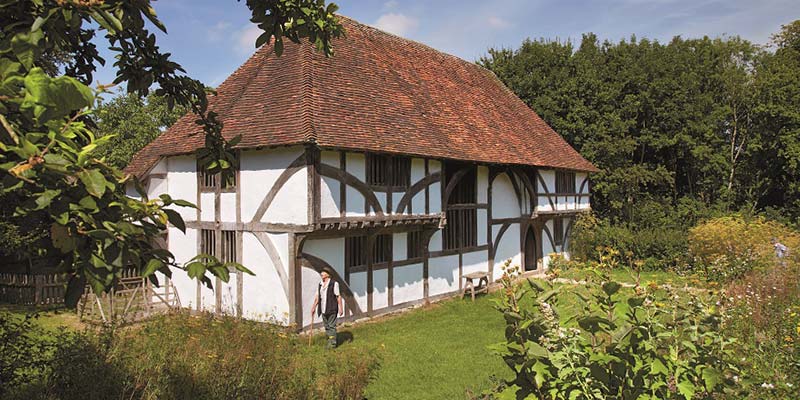
If your home is a listed building, permitted development rights for conservatories are removed entirely, no matter how small or discreet the addition would be. Conservatories are not permitted development within the curtilage of a listed building, which means you’ll need listed building consent from your local planning authority before any work can start. Applications are assessed far more strictly, with particular attention paid to how the addition would affect the building’s character and historic fabric.
Homes That Have Already Used Up Their Allowance
Permitted development isn’t an unlimited resource. Conservatories, along with any previous extensions and outbuildings such as sheds or garden rooms, must not exceed 50% of the total land area around the “original house” (meaning the house as it was first built, or as it stood on 1 July 1948). If a previous owner already built an extension or a large shed, you may find there’s simply no allowance left, even if your own additions look modest.
Homes on Designated Land
Properties within national parks, Areas of Outstanding Natural Beauty (AONB), the Broads, World Heritage Sites, or conservation areas fall under what’s known as “designated land,” and face tighter rules than a typical house elsewhere:
- Conservatories extending beyond any side wall of the original house are not permitted development on designated land.
- Side conservatories in these areas face additional restrictions even where they would otherwise be allowed and may need to be set back from the front of the house by at least a metre.
- Cladding the exterior of the conservatory with stone, render, timber, or similar materials is not permitted development on designated land.
If your home sits within one of these areas, it’s worth checking with your council early, since what’s allowed can vary depending on the specific area’s local rules.
Homes with an Article 4 Direction
Separately from conservation area status, some local councils apply what’s called an Article 4 Direction to specific streets or neighbourhoods. This is a targeted legal order that strips away particular permitted development rights, sometimes including conservatories and extensions, in order to protect the character of an area. These directions can apply even outside conservation areas, so it’s always worth checking with your local planning authority, since there’s no way to know from the house alone whether one is in place.
Homes Where the Conservatory Would Front a Highway
Even for an otherwise standard house, a conservatory built forward of the principal or side elevation, or one that would front a highway, is not permitted development. This applies regardless of the type of home and is more about the position of the proposed structure than the property itself.
Homes Subject to Removed Permitted Development Rights
Beyond Article 4 Directions, some individual properties have had permitted development rights removed as a specific condition of a previous planning permission, for example, when a new-build estate was approved on the condition that homeowners couldn’t later add extensions without permission. This is worth checking in your property’s planning history if you’re unsure.
What This Means in Practice
For the vast majority of standard, unlisted houses outside conservation areas and national parks, adding a conservatory is usually straightforward and unlikely to require planning permission, provided it stays within the standard size, height, and position limits. But if your home falls into any of the categories above, whether that’s a flat, a listed building, a home in a designated area, or a property with removed rights, it’s essential to check with your local planning authority before you start, since building without the correct permissions can lead to enforcement action down the line.
Because these rules can be genuinely complex and site-specific, many councils offer a Lawful Development Certificate service, which confirms in writing whether your proposed conservatory is permitted development. It’s a small step that can save a lot of hassle later.